Men on Show · Episode 58
The Power of Menfulness and how to spot the signs your mate is struggling with Jack Woodhams
- 25 March 2026 .
- 56 min .
- Hosted by Andrew Pain .
Jack Woodhams is a passionate mental health advocate and co-founder of Menfulness, a UK-based charity dedicated to encouraging men to talk openly about life, wellbeing, and emotional challenges.
Andrew hosts this podcast. His own keynotes are on burnout, resilience, imposter syndrome and difficult conversations.
Key points of the episode
- His experience (perhaps unorthodox) of the importance of peer support.
- The falling birth rate and the connection with loneliness.
- The fascinating and revealing mental health exercise he does.
- The surprising and positive influence that can be achieved.
- How his organisation started and how it has evolved… vastly evolved!
- How one person's recovery becomes another's survival guide. (this is brilliant) .
- Thoughts on suicide prevention.
- The most profound influence he has had.
- What we can do to protect our children.
- A 2 sentence message of hope.
Keynote
Jack makes the case for peer support and ties loneliness to the falling birth rate; Andrew's keynote on peer support and workplace community helps organisations tackle loneliness at work.
Men on Show shares lived experience and honest conversation – it is not medical or therapeutic advice. If you're struggling, you don't have to cope alone.
Samaritans: call 116 123 (free, 24/7) NHS: 111
Full transcript
Read the whole conversation
A complete, verbatim transcript of this episode – every word is the host's and guest's own; the topic headings are ours.
Welcome to Men on Show, the podcast, Candid Conversations with Everyday Heroes. Join Andrew Pain as he interviews fascinating guests, ordinary men doing extraordinary things. If you love the show, and you think somebody could benefit from hearing it, why not tell them about it by giving it a share on social media? Oh, and at the end of the podcast, if you can leave us a five-star rating and a review, it really helps us more than you know, and it gets this important message out to more people that need to hear it the most. Right now, enjoy the next episode.
Hi, my name's Andrew Pain, host of the podcast Men on Show. Delighted today to bring you another wonderful guest, inspiring guest, Dr. Jack Woodhams. He is the founder of Yorkie Dads, founder of Menfulness. I want to get into what those are about and what men are saying. Jack is working so much work with men. But also, I've got to read this out, as well as being a suicide prevention trainer and a father, he is a recent recipient of an honorary doctorate from the University of York.
Mate, that is impressive work. I don't think many of us, there'll be some of us that could say, well, I founded this, I co-founded that. I doubt there's many of us that are in receipt of an honorary doctorate from a university. So fair play to you. Jack, welcome to the show.
Ah, thanks so much. What an introduction. I appreciate it.
Siblings, loneliness and the falling birthrate
Yeah, so just tell me, like growing up, was there anybody that inspired you as a guy that really sort of stands out to you today?
Yeah, well, I'm really fortunate. I've got five brothers. And we're very close-knit. We're all very, obviously, different personalities and stuff. And, you know, my older brothers, I've got two younger and two older. And, you know, they really kept me on the straight and narrow. And certainly some of the lot of the work that I'm doing now, I realise at that time how important that was for me. Certainly the stuff that we're doing with young people with next-gen mindfulness and seeing the difference that a positive role model and friend and peer can completely change your direction in life. So I'll say all my five brothers, really. So a shout out to all of them.
Hey, that's amazing. You know, I don't know that we've ever had anyone on the podcast who's reported sort of who inspired them, a sibling. Normally people say, oh, you know, is my dad or my mum or there might be a celebrity, although that's more. I think celebrity culture is more of a today thing when I was growing up. You know, we had people like Daily Thompson, for example, show my age here. But like he was just on your screen every now and then you didn't read his feed about everything going on.
But you're the first in terms of siblings and you raise an interesting point there. I wasn't going to go here in this conversation because actually I didn't know you had, you were one of five brothers, but do you feel today then we hear about loneliness, social isolation, that affects everyone, of course, the data is really clear on that. But obviously it does affect men as well. And I feel that there are common culprits for why this has happened, from technology habits and social media, to of course, the impacts of austerity, the loss of community spaces.
The sense of I'm a big believer in working from home, but there is an impact from remote working as well. There's a load of stuff that feeds into it. But for me, one of the things that nobody talks about when it comes to this crisis of friendship and isolation is falling birthrate and the link with loneliness. We know the birthrate is falling, that's a problem, but the link with loneliness in that birthrate's halved. In the 1960s, it was 2.93 per woman, and now it's 1.44 here in the UK.
And my view is less siblings means more loneliness. I mean, you could have a negative relationship with your sibling, but do you see when you're working with guys who are reporting loneliness, do you feel that there's that link there? Because we have three boys and I have two grown up girls, so there are siblings, there's family, there's extended family, there's always something going on. Christmas is exhausting, but in the best possible sense. But do you feel like that's one of the things that is disappearing at the moment?
Read the rest of the transcript Collapse transcript
Peer support and the influence of friends
It's a really interesting point actually, in terms of birth rates and reducing. Because I think everyone's aware, like you said, of social media and the impact that that is having. We're more connected than ever, but I think we're lonelier than ever. So I mean, research needs to happen with that, doesn't it? But what young people are doing, and certainly the young people that I'm working with, there's many of them that are the one child family, and where they're trying to find, like us all, as I've grown up, we all want to feel, the most important thing as a human being is to feel a value and have a purpose, and a sense of belonging.
That's what Menfulness and Yorkie Dads create, but for young people, they're trying to find that elsewhere, which is online, and that can be negative, and that can be positive. We all want to feel like we have this purpose. I think with guys, and fascinating, a couple of nights ago, we were over at York City Football Club, and they asked me to just say a few words, because they raised some money for us. And we thought we would do something a bit more interesting, and we actually got everybody to stand up in the stands.
So we just said, everybody stand up and sit down if you think York City are going to get promoted this year. And then they all sat down, they all got into it, and then we said, okay, this is a bit more personal. Sit down if you've ever worried about some of these mental health. And then like half of them sat down. And then we said, the third question was, sit down if you've ever worried about your own mental health.
Literally everybody in the stands sat down. And then I just said a few words and said, here lies a problem in terms of like, you're spending so much time with these people, over years, people that you sat next to in the stand, and just talking, and talking, and having a conversation, there's no problem that you can talk about the footy until you're blue in the face, and you have been doing that for, you know, some of them, 40, 50 years, but now they're giving you an option to talk about something else more than football, and some things are more important.
So he's getting that permission. And I suppose the badge, the Menfulness badge allows people to do that. So they can talk about the footy. That's really important that you do that. But also it gives you an opportunity to go, oh, well, you actually, you sat down next to me. I didn't realise, I've known you for 40 years, and I didn't realise that you're struggling with your mental health. So it gives people that permission. And I think when people are aware, then it's easier to have that conversation.
You're just worried about saying the right thing or the wrong thing. But yeah, in terms of what you're saying, in terms of, I wasn't aware in terms of the birth rates and stuff, but certainly for myself and growing up, it's that instant older brother click around the year. And I think when my personality is quite an addictive personality in terms of who I am, and it could fall down into the wrong crowds occasionally. And it was that right only when they needed to, and they were able to say it, that they had so much influence.
And I think friends have more influence, I like brothers, than your wife, your GP, your manager. And we need to really harness that, and we're doing Menfulness. Because I remember going to the talk group, and we set up counselling for guys, and my wife's been saying, you set this up, and you need to access it. Oh, I don't. And then I went to the talk group, and a bloke next to me, who I've never met before, he said, why, you sound like you're having a bit of a hard time, mate, why don't you access your counselling?
And I was like, oh, yeah, actually I will. And I went back home, and I told my wife, she said, I've been saying this for the last six months. And that that influenced those positive peer support. I think it's so valuable and so important. And one example of that is, as we set up Menfulness, we realised we're telling guys to talk and open up, and they were doing so. And nine times out of ten, that was enough, and they felt better.
But there was one in ten, we're like, oh, gosh, you do need some professional help. Go to Crisis Line or go to your GP, and they'll say, oh, they sent me to you. So we were in a bit of a sticky wicket, really, because we told them and we had to safeguard them. So we set up counselling, and we've had 500 guys access our counselling within the last three years with a private company. And they use students from Yorkshire John University, so in their fourth year.
And what's remarkable about that is that peer positive pressure, and to kind of like see guys talk about it and normalise it, and we believe people should normalise it, like it's talking, like you're going to do in the big shop, like you're going to the gym, you're going to access your counselling, you're going to access therapy. It only benefits, it only makes you feel good having someone impartial. And what you're seeing is guys talk to each other about it, like, oh, yeah, so did you have Jamie?
Yeah, he's a sound counsellor. Yeah, I had Steph, she's really good. And I'm like, whoa, whoa, whoa, this is bloody wonderful. It's so good that you're just talking about it like it's normal. And that's what we're trying to do. And that's what we're positively doing. It doesn't have to be at crisis. It can be preventive. It doesn't have to be clinical to make a difference. But that fear spot, and there's lots of research on it, that fear influence, and that's why nobody sets up to be a football hooligan, for example.
You get into the wrong crowd, but you go into that crowd, because we pack animals, because you find a sense of belonging, you find it by purpose, you find people who will bring you in, who will look after you. And that's what most blokes are trying to find. But if you can create the environment where it is positive, and you can positively affect them and tell them and say, and also challenge their behaviour and go, mate, I wouldn't be a football hooligan, you know, mate.
And then talk about something else. So it's like, it's kind of this, oh, but yeah, but you're my mate. You've told me not to do that. Nobody else has challenged me. And then, and now you're talking about work and other things. And I think that's in terms of making changing guys, and which we're doing is, it feels like a bit of a movement with Menfulness. And it feels like, oh, actually, it's more than just why we set it up was a dad's group to meet up the bacon sandwiches.
It's turned into something much, much bigger. And the research, which yours and John have done, suggests that. It kind of go, you're having more influence than anybody else could have, any professional. So yeah, I think that's the answer to your questions. I've gone around the houses somewhere.
No, there's so much in there. I mean, I feel that what you, and I want to unpack more about Yorkie dads and Menfulness, kind of how they differ. My first thought is that the birth rate is not going to change. It's not going to suddenly, you can't just fix that overnight, nor can you suddenly reinvent lots of community spaces when the economy is tight. So I feel that this issue is loneliness, it's just going to get worse.
It'll be worse for the next generation and so on beyond. So hopefully what you're setting up is something that's long-term a legacy, it's going to spread because it's really, really needed. I even think back to when I was a kid, I got into debt with my sisters, like they're lending me their pocket money. So a lot of that stuff was handled in a safe environment. I learned that stuff day to day because I had siblings. My boys, they help each other manage risk.
When we're on holiday in Madeira, and they're working out which rocks they're going to jump from, I've already tested the wall to depth. They're now deciding, can we handle this fight? Can we not? They're the ones working out together, supporting each other. Yeah, they fall out, they fight. And then, of course, they're working out each other's boundaries. What is my stop? All the stuff that's just normal every day life, because they've got each other, they're learning so much about life that if they didn't have siblings, they'd be really bereft, disadvantaged, lonely.
And so for me, what you're setting up, this problem is not going to go away anytime soon. The other thing that just sparked me, I love that about just one of the groups, I think it was your Yorkie dad, you just kind of got together for some bacon sandwiches and whatever. And I'm going to ask you about how those groups evolve, because I play football with a group of guys on a Friday. I didn't set that up.
Some guys at a local school realised that some of them like football. They thought we'll start playing goalposts for jumpers in fields littered with dog turds. But five years later, there's 40 of us in the group. We always get 10 or 11 aside. We have socials every quarter, formal, so we go out for dinner every quarter. Every time there's a big game on, some of us are out watching it. We go for beer afterwards. It's an extraordinarily brilliant dynamic space where we're sharing stuff, and it's just grown organically.
We're not a community interest company. We're not a replicable model. We're just some guys that got together, and we see each other as a lot. I go for therapy on a Friday. It's just therapy in disguise. It's football and beer. And so, yeah, it just really struck me. I love that. So tell me more about them, because you've got in my mind at the moment, you're involved with Menfulness and Yorkie dads. They're two separate things. So just tell us briefly, what are they? How do they differ? What do they do?
What Yorkie Dads and Menfulness are
Yeah. So what we start, Yorkie dads and Menfulness are running, I suppose, hand in hand, but we started with Yorkie dads. So we didn't call it Yorkie dads. We were just, it was just that I was certainly, I felt quite lonely. My daughter has epilepsy and cerebral palsy, and she's been kind of the main motivation for everything that I've done. And I was going to a lot of mum and baby groups, and they were nothing but lovely.
They were wonderful. And I was just like, oh, this is, this is, I just want some guy company. And I think when you're talking about loneliness and isolation, when you left university, I realised that actually I found making friends really easy. Well, it just, you weren't making friends. It wasn't like something that you had to go and actively do. It just kind of happened, didn't it? Primary school, you just made friends and then went to university, joined the rugby club, and then got mates for life, and then university finished, and then had a child.
And when I needed friends more than ever, there just wasn't any. And it's not like you can go and knock on your neighbour's door, is it? And go, do you want to come out and play, mate? It just feels a bit weird. So it was in fact, I have to thank my wife for this, is my wife, Rose, who put me in touch with a friend who I lost contact with because she knew the mum. And Dan, who was a graduate and friend with myself, so we got back in touch and Mike, and we're just like, yeah, we all feel pretty much the same.
So why don't we just do something really simple? We'll go to a halt and put on some bacon and coffee every month, and that's it. And then what we realised that there was lots of blokes in the city who were coming to that. We just simply put it on Facebook. And then as things grew, and because we're not precious about anything we do, everything's been grassroots, all of our activities have been guys coming to us and saying, I fancy doing this.
So the football started. And like you say, we've got three football sessions a week now. So we've got like 70 regular guys who are meeting. And the beauty of that is we ensure that at any level that you go across, yeah, it's competitive in that sense, but we always make sure that, you know, there's a lot of older guys who have been playing for a while and wanting to get back into it. Some guys who have never played before, but they wanted a supportive environment, so we get to know them a bit better.
But then also they meet before, and there's always two substitutes. We make sure there's two substitutes, and it's rolling stuff, so you can chat whilst that's playing. We had all these events. We had a dad-daughter's hair school, which just went viral on BBC News, which is just so cool. And then Lego groups and just stuff just started evolving, because we just kept going, yeah, that sounds like a good idea. Do you want to run it? And they did.
You give ownership, people take that forward. Football is not my bag. I'm more of a rugby guy, but I know other guys really do like it. They're quite passionate about it, so they let somebody else run it. So that happened, and as stuff evolved, as stuff grew, we realised that there was a few guys that wanted to join, they wanted to come to our events, who weren't dads. And we're like, oh, right, okay. And they said, well, my mate's there, he's playing the footy, and he's really getting a lot from it.
We had a walk and talk as well, and I haven't got kids, but can I come? And there was this kind of like thing in between. We were like, well, yeah, actually, that's fine if you want to come across. But, and then guys, dads, because it was a safe space, it was a dad's group, they were talking more about their mental health, which we just fully encourage. We were just like, well, this is great, isn't it?
Because it is a struggle being a parent, certainly for myself, or a kid with additional needs. It's not what you expect. And it was not what I thought was going to happen. And so, everything changes. But to have that safe space, and not safe space, but then also, I don't always want to talk to my, no, I want to talk to my mom or wife, but sometimes I just need to let it out. And I think guys do need to let it out, and they feel better for it.
And I didn't want to say, this is really hard work, Rose, you know? I love Poppy with all my heart, but it's really stressing me out. It's difficult because the pain I see her going through, and I don't want to pass it on to Rose every week, but being able to pass it on to guys who don't fix it, they can't solve all my problems, but knowing that, I don't have to face them alone, kind of go, oh, mate, I'm sorry to hear that.
I'm gutted for you. That sounds rubbish. And that's enough for me just to let it out and feel validated and feel like, oh, wow, I've got that. And we felt, well, we need to do this more. And so we kind of came up with the idea of Menfulness. So they work hand in hand. So a lot of guys who are doing Yorkie Dads are part of Menfulness, and they're both rolling on. But Menfulness, I suppose, we have a menu, different options.
We've got a menu here, which you can see. But in actual, we love a pun. We love a pun in Menfulness, and the different options. So you can see that. We've got a starter option, which is all our podcasts. So a lot of professionals get in touch and are like, a bit nervous and working with someone. So we'll go and have a look at our podcast and see, we're all just normal blokes, and you can see all the different activities.
We've got a salad option, which is an allotment. We've got our mains, which is our talk group, and the board room, which is guys playing gaming, like board games, Dungeon and Dragon. Yeah, that's pretty cool. We walk and talk, rally to boxing, fitness, running club, social football, as I said, and pretty plaits hair school. And then we've got like as takeaways, our testimonials, and our research, and our breakfast club. So it just keeps growing week on, week on, week on.
And which is wonderful because guys are saying, oh, there's a few of us who really want to do this. So actually, when we're like, well, as we know, they're already buying and people are keen on it, let's do it. And that's what happened with the boardroom. They were like, we fancy something a bit quieter, not all of these things. There was a few guys that we're working with who are neurodiverse or undiagnosed neurodiverse. And some of the events that either the sporting events or some of the other ones are just a bit too much.
And I'm really proud of the boardroom, because it's not just for guys that are neurodiverse, it's for anyone that's into gaming. But there are a real community of guys who are able to build relationships through gaming and share in their gaming. It's like a different world when I go down there, it's just blows my mind. I'm like, I can't actually play some of the games, because I'm just like, this is just, and it's wonderful to see that building relationships, building friendships.
And I think we all need that as blokes, don't we? We all need the hook to get us in. But then also the way of going and meeting up for coffee with a mate and talking about your mental health is quite intense. But going to the boardroom and playing Dungeons and Dragons or playing a bit of cards, or with our talk group, we always have pizza at the beginning. So you're just like you're talking whilst you're eating.
And even the hair school, the dad's hair school guy making mates and just doing the daughter's hair and having a laugh about your big chubby fingers and not being able to do plaques and stuff. And it's just that's what we're really keen on. And they know what we do and we're trying to hook them in. We're trying to use creative ways, but actually it helps them. To really build relationships so it doesn't feel, it feels a place where they want to go.
It feels like wherever they're at. So if they're struggling, they know they can go there. If they just want to meet up with their mates, they know they can go there. But they can see their friends and that's what's been remarkable. As I said, we haven't solved anyone's problems. But their journey, which they love as part of their recovery, in my recovery, becomes somebody else's survival guide. So my survival guide about dealing with a daughter with additional needs, and how I manage that landscape, and how I manage and support the rest of my family, that really, there's like a group of dads now, or men with inmentfulness who have similar situations.
And I only feel that there's nothing more empowering than by being with guys who are dealing with the same that you're doing. And that's the same with everything. There's a group of guys who come to our talk group, who are Parkinson's. And it was interesting when they were coming separately, I was just like, I was empathetic, I was caring, I listened. I said, can I introduce you to somebody else who's going through something similar? And now these guys, they're just incredible.
Just incredible human beings who are supporting each other for a difficult time. And so there's lots of different groups of communities or guys that are in the trade, who are coming along and just like, mate, that sounds really tough. Or there's a group of dads and blokes who are carers. There's a lot of guys going, suddenly, I'm caring for my mum and the roles are reversed, and I feel like a parent and it's intense, it's heavy.
I'm like, I'm not doing that, but I am a carer for my daughter, but I know five people who are in the city, who are going through exactly the same. So essentially, that's what we are. We're not fixing it. We just glue people, kind of gluing these communities together. That can have the biggest impact on them, because like yourself in terms of having, I suppose, family of different dynamics, the biggest impact for you will be the same people, the same blokes who have dealt with something kind of similar.
And it really kind of lifts you, kind of go, oh, you've got through it. How did you get through it? Are you anxious therapy? Oh, right. Well, if you've done that, maybe I'll do that.
Variety in groups and reaching out
Yeah, I mean, you are fixing, in a way, because the connecting is the glue that does the fixing. So in a way, you are fixing by providing the opportunity for that connection. I love the fact there is so much variety there. I will always be much more up for a game of football. Within our own football group, actually, we've got a sub-Badminton group that started. Now, it doesn't interest me so much. I tried to get people into diving.
I was for a while having diving lessons off the diving boards, but no one wanted to join that. I was on my own with that one. But I think that variety is massively important. I think it's inspirational to anybody listening to this. But actually, it just shows that if you just think, well, I could just ask about on social media at work and say, hey, I like golf, does anybody else like golf? I could literally do that.
Or maybe it will never grow to more than four people. But okay, that's great. I've got a new friendship circle that I didn't have before. Or maybe it will grow into a community interest company years down the line. It doesn't really matter. But actually, that sense of reaching out. I feel like sometimes, well, we partly, again, it could be lack of siblings, it could be bad habits, self-service checkouts, web chat. So there's less everyday conversation. But I'm a gregarious extrovert.
But I find it scary reaching out to people. We have a neighbour's Christmas party every Christmas, and I go door knocking at the beginning of December to invite them all. It's like, rather than sticking notes through the door, no one's going to come. I literally shit myself going to, well, not quite that bad. I get the real wobble because what if they think I'm weird? What if they're fed up? What if they're like, oh no, it's like the one thing we just have to kind of do, because it's a bit odd.
Because every year, I wish they'd stop doing it. These voices, but you have to push through it because actually people love connecting, but somehow we just don't know how to start, where to start. We get busy with life and just taking that step, doing a few things to reach out. Look at your communities. I never knew that within Menfulness, you have such diverse communities from board games, to hair plaiting, to football, to walking. It's absolutely extraordinary.
So I feel that you are definitely fixing people. I absolutely agree. I was delivering a keynote tour a couple of weeks ago, where one of the participants, because it was on burnout, but I referenced what I've been through in domestic abuse briefly, and some of my stuff in the family courts briefly. But during lunch break, we were on fire together, the spark, because that's what he's been through. So when you do have that shared experience, somehow it just transcends personality type.
It just gives you that kind of spark. So I do think that's really important as well. You deliver suicide prevention training. I know that's something that you do professionally. For you, we know that men make up the predominant number of people that die by suicide. As a suicide prevention trainer, how do we change what's going on there? We know the numbers are not going down, although the awareness of the topic seems to have grown from where it would have been 20 years ago. Why are numbers not going down? How do we solve that?
Spotting the signs in situations, actions and words
Oh, it's a big one, isn't it? I mean, this didn't happen kind of accidentally that I went into this field. So I'm CEO of Menfulness three days a week. And the reason we did that is because we've expanded over to Scarborough now, and we got some funding by the Integrated Care Board to deliver that. And then, but I felt like I wanted to carry on with my profession in a sense, and they work hand in hand, I suppose, with the suicide prevention, which are delivered two days a week, which is funded by the public health team, and they have areas of needs, essentially where they want me to go, which is primarily men, but industry, so construction, agriculture, hospitality, and criminal justice system.
And part of that, which motivates us every day, is because I've lost friends who are very similar to me. They were the movers and shakers. They were quite out there. They were the ones that you thought everybody had, they had it together. Again, that's saying the last person I would have expected, but that keeps getting repeated. I just didn't see the signs, didn't spot them. And it's kind of like, well, if it happens to you, so we work really closer with a charity, a foundation called Charlie Dallas Lancaster Foundation, and big up to Charlie Sisters.
And they are just incredible, inspiring people, but they don't want to be doing what they're doing. And Charlie was, I call him two shits. You've had one, he's had two. He did everything better than everybody else. He had Lancaster and Sam's, an estate agent. He raised thousands of pounds for mental health services as part of York Roundtable. He was so kind of like, yep, it's important that you can access help. And behind the scenes, I think, those very close to him knew that he was accessing therapy.
And sadly, in lockdown, Charlie took his life from that. That kind of, well, mindfulness was going at the time. And that's just like, right. There was a sense of, not anger in Charlie, but an anger that I didn't notice, or there was anger, and it was just, it lit a fire in all of us that, well, let's do more, and, you know, guys from who, when he used to work at the North Yorkshire Police, and, you know, like real kind of out there characters who had it together.
Did they have it together? Clearly not. And so that's why I continue with the suicide prevention and to kind of like delve a bit more deeply about, you know, spotting the signs and what those signs are, and helping people kind of spot those signs. I mean, that's really important because it's a bit like picking a puzzle. And the word suicide is, although being a suicide prevention trainer is a really difficult word to say even now. You know, it's an iccy word, isn't it?
We're more aware of it, but the only way to prevent it is by talking about it. That's, you know, it's a bit like AIDS back in the day. Nobody really talked about it. There's a big stigma and taboo, but you have to talk about it to be able to prevent it. And it's now suicide. We have to do it. And it's never a eureka moment in terms of who this person is talking about, suicide. But actually, it's the start of their recovery.
They might never have talked about it for 45 years. And the fact that they've talking to you and kind of go, yeah, I have had those thoughts, actually. I do feel like the world is getting on top. I go into colleges as well, and we do these activities about spotting the signs. So it's just kind of in different groups. So those signs are situations, actions, and words. So as a young person, you might know the situation that your friend's going through at home is that mum and dad are going through a breakup, or there might be abuse, or there could be all kinds of different situations that make you more likely to either have a mental health condition or take your own life.
And then the other one is actions. So what actions are they doing? So another group will do the actions. So they're like, oh, he's turning up to work late, or he's not coming to college. He's always the first at the pub, or he's always the first to message. Like one lad was like, oh, he always used to message me abuse every day in emoji, and he stopped for a couple of weeks. So that it can be really kind of personal to you.
And the other one is words. So what are the words that are saying? The words are like, oh, I've had enough. I want the world to stop. It can be as blunt as I want to die. I just want to have enough, or it can be subtle ones. You kind of bring in those situations, actions, and words. So if you know somebody who's going for a break up at home, you know that they're a bit dishevelled.
They're usually anything out of the ordinary for them. So if they're always drinking, and they're always drunk, and that continues, so it's anything out of the ordinary. If they're not big drinking, and suddenly they are doing it, then that's an action. So Jack, you're going through a divorce at home, it works, you're being made redundant, or the situation, you've got health needs. So, and then the actions are, he's not messaging me as much, he's a bit quiet, I haven't heard from him, or he hasn't been to the pub as much. And then the words are, I'm just, I'm low, I'm really low on down. And then you're building the puzzle there, and then that's spotting the signs, I suppose.
To paraphrase, then, situations tend to be, situations I would imagine of known stress, could be debt, could be divorce, bereavement, loss of job, sudden change of job, sudden bad health news, family courts, domestic abuse, all that kind of stuff, situation where there's situations of known stress, or particular stress at work where they are struggling, they're talking about burnout, things like that. Actions from what you're saying is where someone is acting in a way that they wouldn't normally. They're doing things they wouldn't normally do, they're being a way they wouldn't normally be, it's not quite like them, whatever that may be. And then, of course-
Change of behaviour, so they might, you know, a lot of interest, they're withdrawn, you know.
Asking someone directly about suicide
Yeah. And then words tend to be sort of permanent words of bleakness. Like someone can say I'm struggling at the moment, but I suppose with permanent is where I can't go on anymore. As you say, I want to die. I mean, that's a fairly obvious one, but where there's maybe some permanence and there's words where actually don't put off picking up on those signs. Because often we can think that's probably fine. They say again, I'll probably check in with them.
I'll check out with them next week, but actually picking up on those words immediately. And then I imagine it's being direct with them. One of the things I always learn that surprised me about suicide was don't dance around the S word. Just ask them. I know things seem tough at the moment. Have you been thinking about taking your own life? That directness is helpful. Is that something you'd agree with?
Yeah, I think we all have common fears when talking about suicide, aren't we? You know, what if you put in the ideas in the head? What if I upset them? But we're just not that powerful, you know, and there's no data to suggest that talking about suicide, that somebody will take their own life. In fact, it's the opposite. It's the start of their recovery. But in terms of asking about suicide, absolutely. Being as direct as possible.
So you're not just gonna go straight into that situation. You're going to be noticing the signs. They've said a few things. And you can say that. It's said, you know, you said you've had enough of the world. You've actually mentioned that the world will be better off without you and being as direct as possible. Are you having thoughts about ending your own life? And are you thinking about suicide? It means there's a yes and a no response.
What we don't want to do is dilute it. So the things like, you're not thinking about suicide. You're not thinking of doing something silly, are you? You don't want to know the answer. You're not thinking about doing some daft, are you? So although it's uncomfortable, being as direct as possible. And when you are in that position about asking that question, then just make sure that you're in a space. You're not walking to the canteen, but you're in a safe space where they can go yes or no.
And sometimes it's like, oh no, no, no, I'm all right. I'm just saying that and you know, we'll know no harm done. And they might say, yeah, actually I have had thoughts. And that for them, if you are showing empathy, love and kindness, non-judgement, that will be such a relief because most of the people who end up taking their own lives, they never really mentioned it to anyone. It's just something that, and it's never, yes, sometimes it's a bit of an impulse, but certainly for most guys, they will be thinking about that.
But the majority of blokes take their own lives up. Nobody was aware apart from themselves, it was such an isolating feeling. But to realise that actually it's very common to feel like that. One in four of us have suicidal ideation. You know, it's massive. And to show that kindness and that support and that hope. And that's often what's missing, isn't it? You don't have to be a specialist, but the difference for certainly for guys, the major missing point is whilst you're in that feeling, is that that loneliness and that isolation with those thoughts.
So the fact that you can fill that space with empathy and kindness and love, that will be the difference. And you don't have to fix that, but knowing where they can go for help is massive. Papyrus and Maritans are amazing, and you can actually ring them up as, and just as a friend, that you're struggling with someone, and like, I'm gonna ask them this question. Or speak to work colleagues, or speak to the well-being team, where you're at, and go, you don't have to mention names, but I'm worried about a friend of mine.
What support is there available? And equipping yourself with that, so your workplace might have well-being support. Certainly the hospitality industry do. They've got 24-7 hotlines where they can phone up, they can get counselling. And so I equip myself, depending on where I'm going from going to construction, with as much support for them. So when you are talking to people in Karnat, and then you're asking that question, that is, you're met and you're armed yourself with, this is what I found out.
This is where you can go to. Hub of Hope is a great app in terms of just having that on your phone for everyone, and it will have all the different support up and down the country, and it's done in a way of geography. So if you're going down to London, for example, it will have Menfulness in York and Scarborough, but if you're going down to London, it will have all the local places for suicide prevention that can help people. So I'll suggest getting Hub of Hope on your app, on your phone.
Regret after an attempt and being listened to
Yeah, and the thing that struck me from a couple of people I know that have attempted suicide but survived, is actually once they'd initiated the attempt, they immediately regretted it and wish they hadn't. And it was through good fortune that they survived. And that's the other mistake we can sometimes make as people, is think, well, such and such wanted it anyway, so they're at peace. But actually, my understanding is that those survive, say actually, I'm really glad I survived. As soon as I jumped, in one case, I know as a guy who jumped, he regretted it straight away and wish he hadn't done it.
Yeah, yeah, it is. There is that myth that might be for people who have lost people by suicide, to give them some comfort. And each suicide is completely different for the circumstances. But I think for guys, it's that impulse, not an impulse, but things that get, and you can see how quickly they get to crisis point. So for example, some of the guys who are the tradies in construction site, and they're working self-employed, so that in itself is stressed.
Financial insecurity is a massive one, or bloke certainly. So you can see how quickly you can get to that point. So if you're working self-employed, you become injured, you do your back in, you can't work. That's obviously another risk factor is family. It's going to have an impact on your family. You can't provide as blokes. It's who we are, isn't it? In terms of those, it's kind of outdated, but still now in this society, you are seen as a provider, but blokes like playing that role.
And then all of those things come together quite quick. It's like, well, who am I if I'm ill, so I can't even support my family. I can't provide for them. They'll be better off without me. So you can quite quickly see or why guys certainly who have taken their life who you didn't expect, because it's suddenly unravelled. And what we're trying to say is actually life is, you need to be prepared for as much as you can.
That life is not linear, it's ups and downs. And it's both you and me could, we could walk out the office, we could trip, that's it, do you know what I mean? And I could be injured, be in a wheelchair, and then everything changes. And so you can see why. And I think we need to understand like in terms of gender health. But with suicide and suicide attempts, actually it's a myth that it's mainly men. It's actually more attempts are by women, but men that actually completely suicide.
So, but what's amazing is actually when you're looking at it, there was a story of Johnny Benjamin, who wrote a book called The Stranger on the Bridge, which was a fascinating book in Johnny's struggle with his sexuality. And he made an attempt on his own life, and he was in a mental health hospital, and he was going to take his own life, and he had a plan. And he went to this bridge, he sat down on this bridge, and that was it.
He was ready to go, and then this guy walked past, and just sat next to him. And at first, Johnny was angry, he knew what was going on. He could see, he just said, I'm here to listen. And Johnny spoke for 45 minutes, just chatted at him, and really let it out. And then at the end, they said, he said, what are you gonna do now? He said, I think I'm gonna tell my family. And then that was the start of his recovery.
That was the hook. That was the change in him. And then I suppose for us, it's like learning from that. Well, what was the difference there? What made you not after attempting your own life so many times? And it was that, for Johnny, it was that glimmer of hope, and somebody that really listened to him, for no other reasons, but it was the right thing to do. And the greatest needs as a human is that presence of another.
And when a man is feeling suicidal or women, you're very much in your own head, and that's usually exactly what's missing. And those guys, after that, they did a hashtag, Find Mike, because the Mike was the one that made a difference. And they go around doing talks now on about what really made the difference. It's just compassion, authentic. He was patient, kind. More importantly, he was himself, and there was no judgement. So actually, it's about just starting that conversation and listening like you genuinely care and you want to be there.
And that's usually what's missing with mental health as a whole. And there are clinical professionals, there are people, but actually that authentic, the biggest difference for me in my life was a guy who told me when I was at a talk group, and I said, guys, I'm not going to host this one. I'm just having a bit of a hard time at the moment with my daughter. The seizures were particularly bad that week, and I said, I just need to let it out.
And so one of our volunteers hosted. And this guy who's never talked before, and he actually just listens usually. And then towards after six or seven sessions, he had been, he starts talking. And there's no pressure for guys to talk. And he just put his arm on my shoulder and went, make that sound shit, I'm sorry. And I was just like, I was just, I just cried and I was just like really let out. And it's just like, just because it was really true.
It was really kind. And at the end, he actually said, I'm sorry about that. If I said the wrong thing, I said, you've said the most impactful thing anybody's ever said to me. And exactly the right thing at that time. So thank you so much. And that authenticity and just that kindness, because it's the right thing to do.
What parents can do to protect children
So much great stuff we've covered. Two things that I just want to finish on, whether you can do this concisely, because they're quite big, big ones. Number one, I've got sons, there's been plenty of people listening to this podcast, that got sons. And as you rightly say, men and women attempt suicide in similar numbers. And that's absolutely right and backed up by research. So, rather than just saying in order to protect our sons, in order to protect our children so that when they're adults, if they were struggling, they'd reach out for help, all that stuff.
What can parents do today to reduce the risk of their children becoming adults and dying by suicide? If there's one thing you could say to parents today, what would your message be?
Well, that's a big question. Nobody's ever asked me that, but I certainly know what the difference... So, we do a project called Next Gen Menfulness where we're an Aspire Academy, which is an alternative provision, and we're creating co-producing workshop, what it means to be young men in 2026. And so, we're learning so much from them, actually, about what it means to be a young man in 2026. They're the experts and truly what they need. And I think it's that simple in terms of that communication, and nothing is off the cards.
You can talk to me about absolutely anything, what you're going through. So, as they grow older, and children, and whatever happens, if they're getting trouble. And I give my son examples. He's only 11, I've said. If you worry about social media posts, or you've done something wrong, you've been in trouble with the law, then make sure that you know that you can always, always talk to me. And I suppose it's your bias, isn't it? I suppose, of what you know, or what you expect a parent to be.
And trying to move away from that, because that's what's constantly missing in most people, and in most things, and relationships, and kids is that communication of knowing that. I've got, and for myself, I've got five people in my hand. I've got a huge network of men who I work with for support. I've got five people who I can truly ring at two, three in the morning. And making sure that your sons and your daughters know whatever you're going through, and at whatever time, if you're ever worried, you can contact me there. And yeah, I would say that.
Message of hope, and where to find Jack
Amazing. And just to conclude, if you could give a two-sentence message of hope to those listening, how would you encourage our listeners? What are you going to say to them?
Yeah, yeah, good one. Well, I recently, as you said, I went to graduate and got a doctorate, and I spoke at the Minster, and I talked about, you know, the chances of us being born is one in 400 trillion. So like, what an absolute gift that we are. And Pablo Picado is a quote that I use in all my sessions. The meaning of life is to find your gift, but the purpose of life is to give it away.
And actually, the more I give away, the more I get back in return. And we're here for such a finite amount of time, and we're one in 400 trillion. You could win the lottery 20 times over, that the chance is that we're actually born, and we're actually here. So you have a purpose, find your gift, and that gift can be different for anybody. It can be people skills. It can be making a difference. It can be dragging a team across to the footy, whatever it is, but find it and give it away, and you will feel better about yourself.
And maybe that's a missing piece for Picasso. You've added to his infamous quote with not only about finding your gift and giving it away, but when you give it away, although you don't give away in order to get back, the consequence is you get back many times what you gave away. I like your addition there to Picasso. You can put your name on that. Dr. Jack Woodhams. Yeah. Oh, bless you. Lastly, how do people find you, Jack? What's the best way to get in contact with you? Whether that's Menfulness, Yorkie Dads, they want to talk to you, invite you onto their podcast. Where do they find you?
Yeah, well, menfulness.org is our website. All of our events are for guys that are getting involved, certainly in York and Scarborough are on Meetup, so you can see in real time the different events at meetup.com/menfulness. But if anyone wanted to get in touch with me personally, it's just jack at menfulness.org. And yeah, we'll try and squeeze you in and have conversations.
Brilliant. Jack, it's been a pleasure having you on the show. Thank you so much for your time and your wisdom and insight. I hope you have a great rest of the week.
Thank you, Andrew. Cheers, mate. Enjoy. Enjoy. I hope to...
Thank you for listening to Andrew Pain's Men on Show. If you could leave us a five star rating and short review, it would be really, really appreciated. It helps us get this important message out to more people that need to hear it the most. See you on the next episode. Thank you for tuning in.
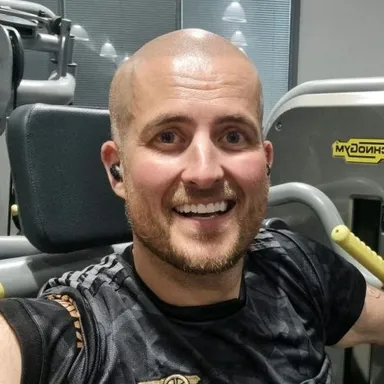
About the guest
Jack Woodhams
Jack Woodhams is a passionate mental health advocate and co-founder of Menfulness, a UK-based charity dedicated to encouraging men to talk openly about life, wellbeing, and emotional challenges. As CEO, Jack has helped build Menfulness into a community-focused social wellbeing movement that supports men through activities, events, counselling links, and peer connection – all aimed at breaking the stigma around men’s mental health and encouraging strength through honest conversation.

Hosted by Andrew Pain
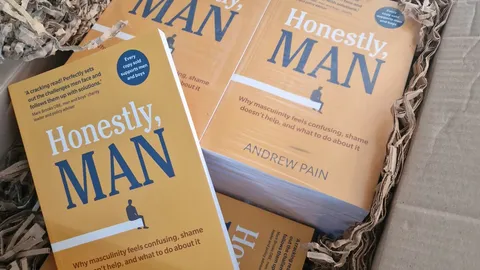
Andrew Pain is a Mental Health & Resilience Keynote Speaker who speaks from lived experience on resilience, burnout and workplace wellbeing. Host of the Men on Show podcast, author of the book Honestly, Man, and a TEDx speaker. Member, International Coaching Federation, and Mental Health First Aider trained.
More from Men on Show
Keep listening
Insights
Read next

Never miss an episode
Candid conversations with everyday heroes – ordinary men doing extraordinary things.