The most common question people ask me about domestic abuse - and why the answer is complicated
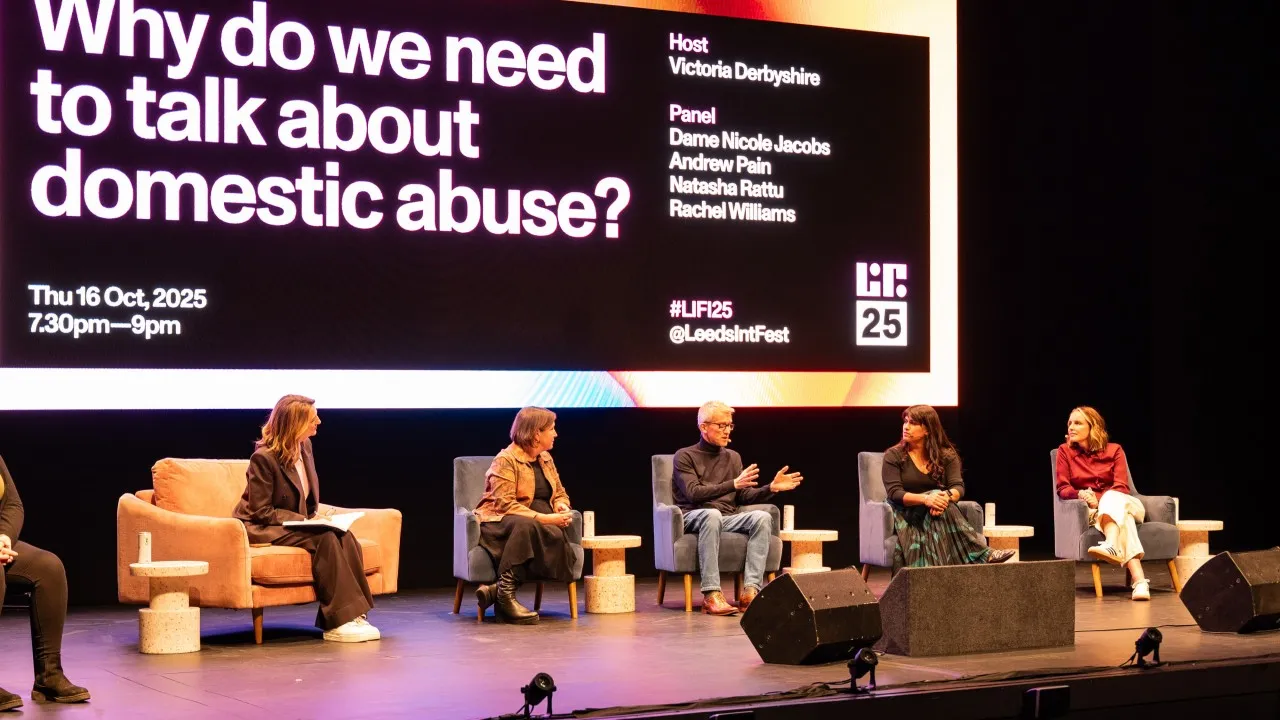
There is one question, which I guarantee someone will ask me, when I’ve been speaking about domestic abuse (and it’s often asked after my men’s mental health talk where I reference my experiences of domestic abuse).
Can you guess what the question is?
Maybe you’re thinking of questions like:
- Why did you stay?
- Did you hit her back?
- Was there a sudden wake-up moment when you started to see the abuse for what it was?
- Does she mind you talking about this stuff?
- How are your daughters today?
These are great questions but because their answers are mostly covered within my domestic abuse talk, THE most common question is not in the above list. In case you’re wondering, it’s this:
“I have a mate (brother/colleague etc) and I think he’s in an abusive relationship, but when I’ve tried to talk to him before, he’s been very defensive about her. He just doesn’t see it (or admit that he does). How do I help him? How do I support him long term?”
This question of course has varied formats, but if we break it down into 3 parts, it’s essentially this:
A) I know a bloke who I suspect/know is stuck in domestic abuse.
B) Getting him to see what’s going on is really difficult.
C) So what do you advise me to do?
Wouldn’t it be great if there was just one thing I could advise? One magic answer to solve the issue - it’s easier to work with just one thing, but life is generally more complex than that, and domestic abuse certainly is. There are a few things you need to bear in mind if you’re worried about someone …
1) The empathy gap:
I talk about this more fully in my book, Honestly, Man: Why masculinity feels confusing, shame doesn’t help and what to do about it : Andrew Pain: Amazon.co.uk: Books) The empathy gap is the reality that according to research, we feel less sympathy for men struggling in a certain predicament, than we would for women struggling with the same predicament.
Most of us do it, the research is clear (read my book) and if we identify as men, we’re also likely to apply the same lack of sympathy to ourselves. So your mate or brother is likely to see his relationship issues as of his own making, that the abuse is deserved because he’s such a blundering oaf: he’s been primed to do so, partly due to his abusive partner, but long before that, society was already shaping his lack of self care.
2) Old-school masculinity codes:
I also talk about this in ‘Honestly, Man’ and in case it’s the first time you’ve heard about my book, 100% of profits made from book sales will be invested in charities/projects supporting men and boys. The book answers 3 key questions. Are men struggling? Why are men struggling? How do we help?
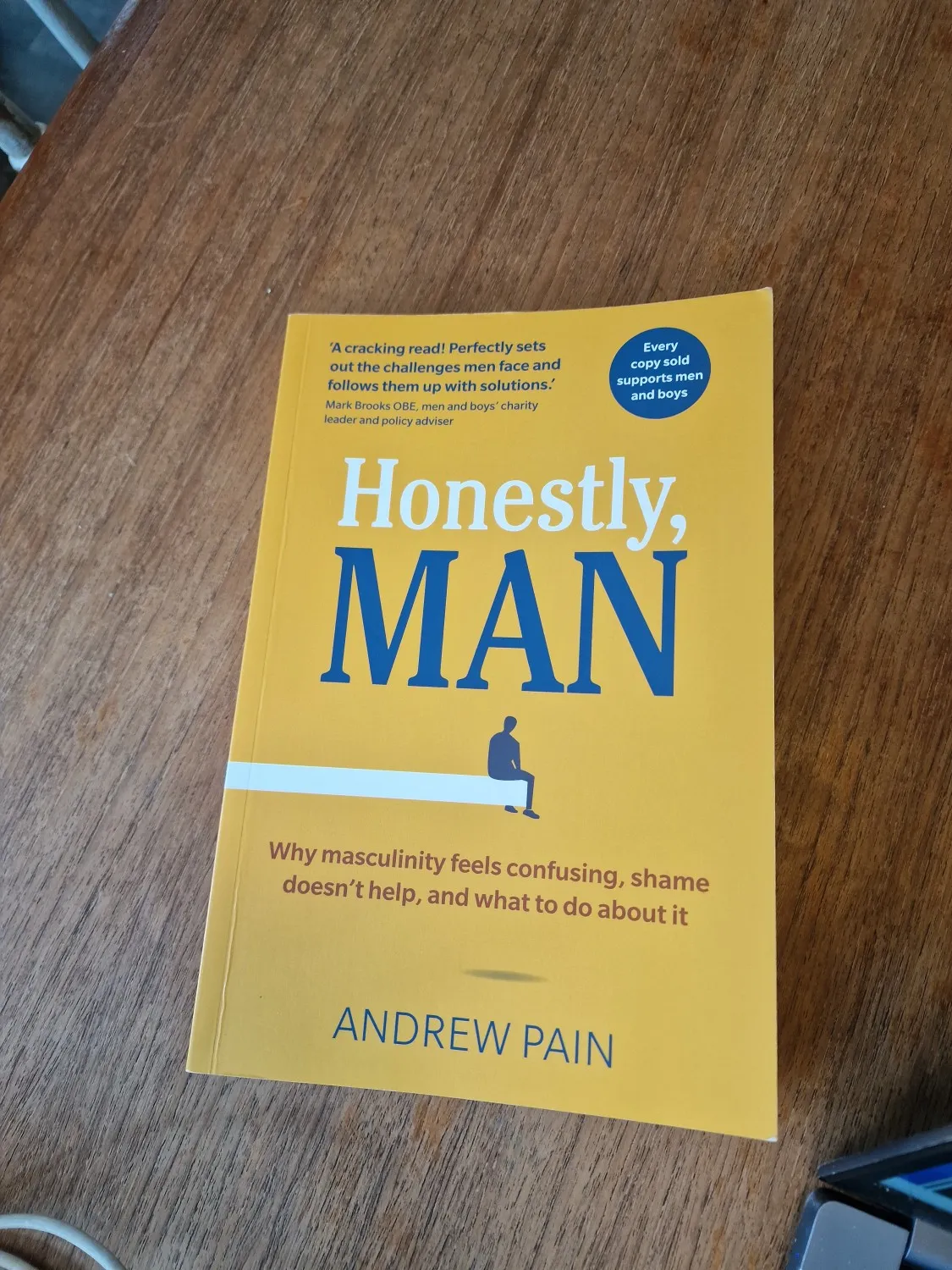 If you’ve not heard about it yet, where you have been?!
But back to my old-school masculinity code: it meant that I saw good men as strong, reliable, successful, courageous, bold, capable, competent. A good man is a knight in shining armour who rescues damsels in distress.
I’ve worked on this code over time, but reassuring male victims of their abilities, strengths and capabilities in spite of the abuse they’re suffering, may be a good place to start - old school masculinity codes mean that many men will hate themselves for their predicament, believing that strong, competent men would have this stuff sorted.
3) Testosterone:
Guess what? You may not believe this but I also cover this topic in my book too! So, if you haven’t bought your copy yet, please do!
In brief, there are two sides to the testosterone debate which my book explores. The first angle is around men’s falling testosterone levels and the impact of these falling levels on men’s health (and how to reverse it). But whilst this is a relevant angle for my book, it’s not relevant here.
The other side however is relevant for this article. In spite of the decline I’ve just referenced, men typically have far more testosterone in their systems than equivalent age women and testosterone has been described as a status regulation hormone. This means that biologically, men may fear a loss of standing or respect, more so than women. Therefore, the notion of opening up, speaking out and admitting to being the victim of abuse, particularly if its perpetrated by someone who is not as physically strong as you, is really, really, difficult to contemplate. It’s not because we’re repressed males that its difficult, but its due to the social impact of testosterone.
Reassuring victims that they are not the only men in this predicament, that it happens to anyone, from military men to successful entrepreneurs is important. Part of what kept me stuck, was thinking that only I could be so stupid and pathetic to be in this situation. It just added to the shame - and shame is an effective silencer.
4) Primed to be loyal:
Long after my relationship had broken down, I was still extraordinarily loyal to my ex. It’s not that I still harboured feelings for her, I’d just been conditioned to be loyal over the years and after 10 years of gaslighting, it would take time for that loyalty to evaporate.
When you raise your concerns, expect a push-back and expect him to be defensive of his abusive partner. Do not expect speedy results, gratitude or a commitment to leave, but make the effort to reach out anyway. When we initiative meaningful conversations, we’re planting seeds, which may take months to start growing, but the growth needs a seed in the first place. Being a seed planter is less glamorous than a superhero, but it’s who we must be if we want to support victims of domestic abuse.
And if you want to reach out to someone you’re worried about, but you’re not sure how to start the conversation - check out this simple 3-step technique I describe in a linkedin article I wrote earlier this year (https://www.linkedin.com/pulse/courageous-conversations-men-how-get-them-started-why-andrew-pain-okz2e)
It’s International Men’s Day on November 19th. To mark the day, whether that’s in November or early December, get in touch and let’s talk.
I’m a CPD accredited and TEDx speaker, podcaster and author, delivering entertaining, inspirational and relatable keynote talks, grounded in lived experience and global research.
Connect with me at: https://www.andrewpain.co.uk/
A version of this article was first shared with Andrew's newsletter subscribers on LinkedIn .
Get the next one straight to your inbox
Andrew writes regularly on men's mental health, burnout and resilience. No spam, unsubscribe any time.
Subscriptions open shortly – the mailing list isn't connected yet.
Booking a speaker instead? Let's talk .