Decision-making
Clear Under Pressure
How to make wise decisions when the stakes are high, and you need to think fast
Andrew explores three common leadership dilemmas through lived experience and research, giving you practical strategies to make difficult decisions wisely, promptly and with less stress.
Why this talk
The Three Dilemmas
Dilemma 1: Persevere or Quit?
Dilemma 2: Bold or Safe?
Dilemma 3: Narrow or Broad?
When 85% of 14,000 organisational leaders say they're fatigued by the sheer number of decisions they now face and 1/3 of those surveyed said they rely on their gut for decision making, it's clear that learning how to make better decisions when the pressure is on, remains a crucial skill for leaders and managers in 2026.
Drawing on a wealth of lived experience and research, we'll explore three common, confusing dilemmas faced by organisational leaders, revealing insights and strategies through each dilemma, to help you make difficult decisions wisely, promptly and with less stress.
In plain words
Heuristic
A rule of thumb that acts as your guide when you face a big decision. Heuristics let you decide promptly under pressure, while protecting you from the flaws in your gut.
What this session covers
The agenda, point by point
To make better decisions under pressure, leaders need to know when to trust their gut, look out for the unconscious biases that undermine good decision-making, and use heuristics – rules of thumb that let them decide promptly while protecting them from the flaws in their gut.
Everything your audience will move through – so you can judge the fit before you book.
- 1
Why your gut is both powerful and flawed as a decision making tool and when to best use it.
- 2
Why unconscious biases undermine good decision-making and the most dangerous biases to look out for, from Sunk Cost Fallacy, Optimism Bias, Confirmation Bias to Tabloid Thinking.
- 3
How to create an Investment Timeline, to prevent you from getting stuck when you don't know whether to persevere or quit.
- 4
How to navigate your most difficult decisions with minimal stress, and why heuristics enable prompt decision making, whilst protecting you from the flaws in your gut.
- 5
How to create your own heuristical decision making strategy, which can act as your guide when faced with big decisions.
- 6
Why we ignore important issues when we're under pressure and how to spot problems early, using techniques such as Elephant Spotting and the Pre-Mortem in order to prevent nasty (yet avoidable) shocks.
What your people leave with
Concrete outcomes, not vague good feelings
- .
Understand when to trust your gut – and when not to
- .
Recognise the most dangerous unconscious biases affecting your decisions (Sunk Cost Fallacy, Optimism Bias, Confirmation Bias, Tabloid Thinking)
- .
Build an Investment Timeline to know when to persevere or quit
- .
Navigate difficult decisions with minimal stress using heuristics
- .
Create your own heuristical decision-making strategy
- .
Spot problems early with Elephant Spotting and the Pre-Mortem
Who it's for
Organisational leaders, managers and teams who face high volumes of complex decisions under pressure
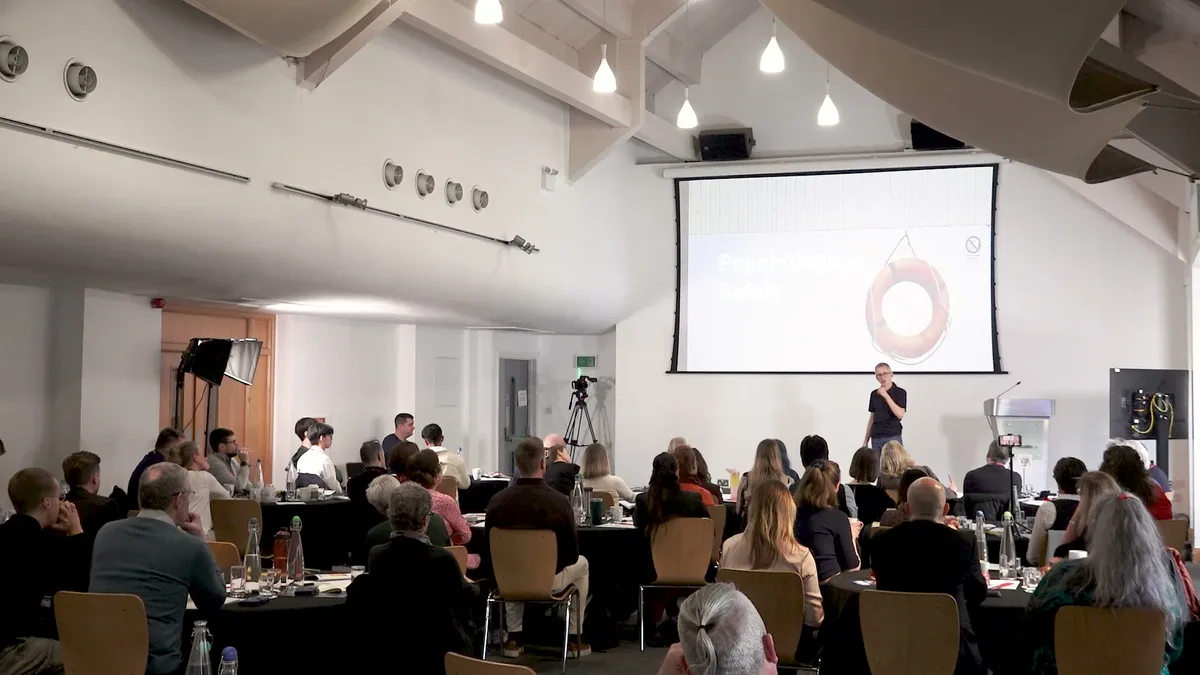
Andrew speaks at conferences, leadership away-days and wellbeing events across the UK and internationally.
Mental Health & Resilience Keynote Speaker
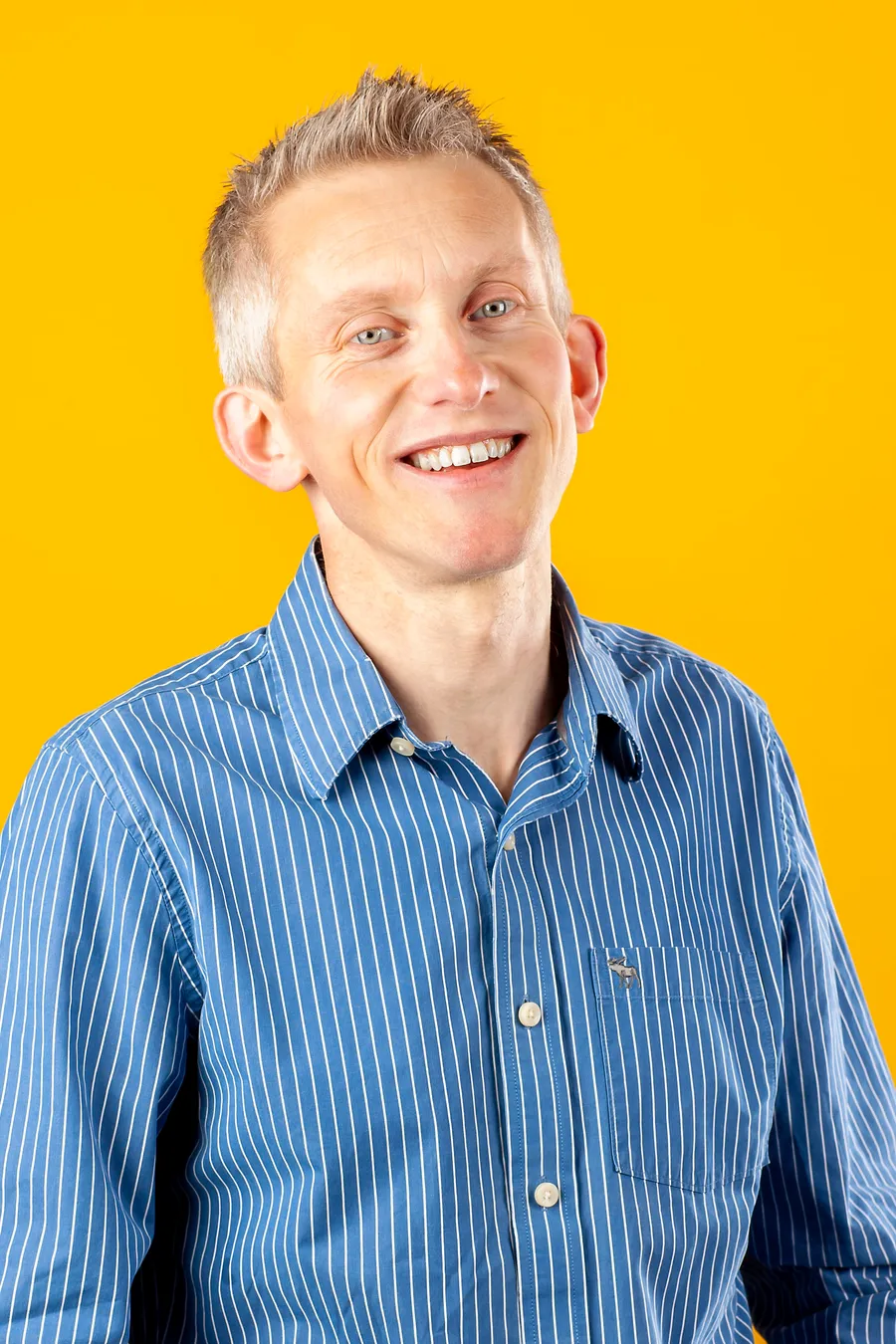
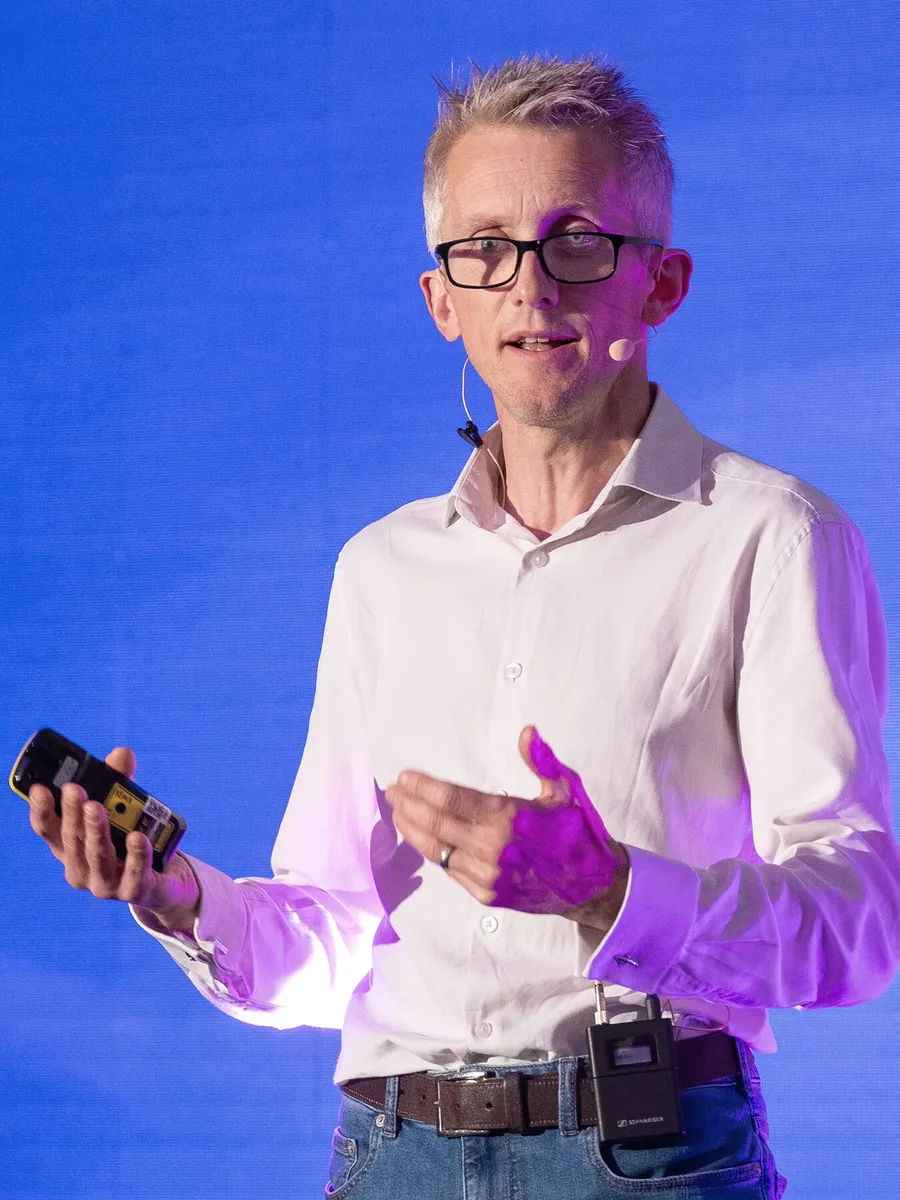
Andrew speaks from lived experience – warm, honest and human, with the experience to back it up.
Andrew Pain is a TEDx speaker with 25 years’ HR experience, and his credentials include CPD-accredited keynote programmes; Member, International Coaching Federation; and Campaigner of the Year 2023, Men and Boys Coalition.
- TEDx speaker .
- Host of the Men on Show podcast (60 episodes) .
- Author of the book Honestly, Man .
- Member, International Coaching Federation .
Formats & logistics
Shaped to fit your event.
Andrew tailors every talk to your audience, theme and time slot. Here's how the practical side usually works – tell him the room and he'll shape the rest.
-
Talk length
Keynotes usually run 45 minutes to an hour, sometimes 90. Around two hours it becomes a workshop; longer than that is rare.
-
Audience size
From an intimate group of 8–12 to a main-stage audience of 200–250. Interactive workshops usually sit around 40–70.
-
AV & tech
Andrew works with whatever setup you have. And if the tech fails, the show still goes on – he'll present without slides.
-
In-person or virtual
Delivered on-site or online, on the platform you already use – most often Teams or Zoom.
“Excellent presentation on the subtle art of successful delegation. Really helpful tools and tips, conveyed in an easy to understand and down to earth way, with plenty of great real life examples.”
John McCrossan
Senior Analyst, Scottish Government
Before you book
Frequently asked
What is Clear Under Pressure about?
Making difficult decisions wisely, promptly and with less stress when the stakes are high. Andrew works through three common leadership dilemmas, drawing on lived experience and research.
What are the three dilemmas?
Persevere or quit? Bold or safe? Narrow or broad?
Who is Clear Under Pressure for?
Organisational leaders, managers and teams who face high volumes of complex decisions under pressure.
Should you trust your gut?
Your gut is both powerful and flawed as a decision-making tool. The talk covers when best to use it, and how heuristics protect you from its flaws.
Bring this to your organisation
Ready to talk it through?
Tell us your event's date, audience size and venue – we'll come back with availability and how Clear Under Pressure could land for your people.
- Comparing speakers? Read the questions to ask any speaker.