Andrew Pain
andrewpain.co.uk
Honestly, Man
Men's wellbeing
Why masculinity feels confusing, shame doesn't help and what to do about it
An evidence-based, compassionate keynote that moves beyond stereotypes to answer three critical questions: Are men struggling? Why? And what can we actually do about it?
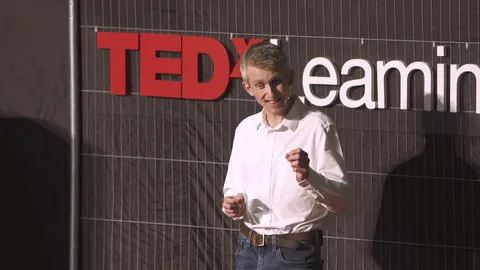
What this session covers
- The testosterone crisis.
- Toxic Masculinity.
- How do we redefine the stereotypical man code.
- Psychological safety.
- Gender bias.
- Allyship.
- Men's communities.
- Fatherhood.
What your people leave with
- Understand the statistical and societal scale of challenges facing men today.
- Reframe the 'toxic masculinity' narrative into one that calls men in rather than shuts them out.
- Learn how dropping testosterone levels affect male physical and mental health – and what reverses the decline.
- Grasp why psychological safety is the foundation of male wellbeing at work and how to build it.
- Recognise the role of gender bias in media and society and why addressing it benefits everyone.
- Gain practical tools for allyship across gender and culture.
- Understand the unique wellbeing risks facing different groups of fathers and how to support them.
Who it's for
Organisations, leadership teams, HR and wellbeing professionals, employee resource groups, and anyone who wants to create environments where men can genuinely thrive.
Formats & logistics
- Talk length
- Keynotes usually run 45 minutes to an hour, sometimes 90. Around two hours it becomes a workshop; longer than that is rare.
- Audience size
- From an intimate group of 8–12 to a main-stage audience of 200–250. Interactive workshops usually sit around 40–70.
- AV & tech
- Andrew works with whatever setup you have. And if the tech fails, the show still goes on – he'll present without slides.
- In-person or virtual
- Delivered on-site or online, on the platform you already use – most often Teams or Zoom.
If you need support now
This talk draws on lived experience and is educational – it is not medical or therapeutic advice. If you or someone you know needs support now: