Andrew Pain
andrewpain.co.uk
Honestly, Dad
Fatherhood
Masculinity, connection and 3 groups of dads at risk
A humorous keynote, grounded in lived experience, that equips organisations to understand what the dads they employ are going through, and gives fathers practical tools to connect with their kids when time is short.
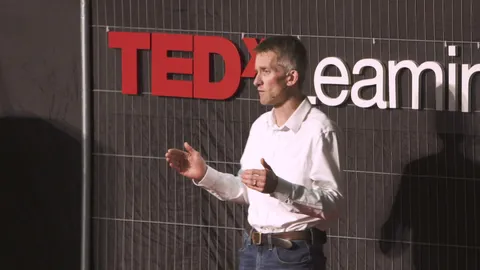
What this session covers
- Fatherhood and burnout.
- Connecting when you're time-poor.
- Rethinking masculinity.
- 3 groups of dads at risk.
What your people leave with
- Be equipped to build stronger connections with their children, even when time is limited, using practical tools such as T.E.S.T., the language of elite sport, Form-score and the Progress Principle.
- Recognise the signs of burnout early and develop practical strategies to protect their wellbeing.
- Understand why 3 groups of fathers are at greater risk of poor mental health and how to better support them.
- Feel more confident starting supportive conversations with someone they're concerned about, without fear of saying the wrong thing.
- Explore how healthier models of masculinity can make parenting easier and positively impact the next generation.
Who it's for
Organisations, leadership teams, HR and wellbeing professionals, employee resource groups, and every working dad – biological father, stepdad, foster parent, legal guardian or close relative – raising children while holding down a job.
Formats & logistics
- Talk length
- Keynotes usually run 45 minutes to an hour, sometimes 90. Around two hours it becomes a workshop; longer than that is rare.
- Audience size
- From an intimate group of 8–12 to a main-stage audience of 200–250. Interactive workshops usually sit around 40–70.
- AV & tech
- Andrew works with whatever setup you have. And if the tech fails, the show still goes on – he'll present without slides.
- In-person or virtual
- Delivered on-site or online, on the platform you already use – most often Teams or Zoom.
If you need support now
This talk draws on lived experience and is educational – it is not medical or therapeutic advice. If you or someone you know needs support now: