Andrew Pain
andrewpain.co.uk
Signs We Miss
Lived experience
A Survivor's Guide to Building Abuse-Aware Workplaces
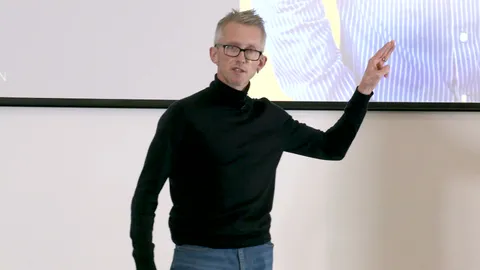
Andrew explores how abuse unfolds, why victims stay silent, and how colleagues and organisations can respond with confidence – drawing on his lived experience as a domestic abuse survivor and TEDx speaker.
What this session covers
- How people from all walks of life get embroiled in abusive relationships.
- What life is like, day-to-day, for people caught in abusive relationships, from the impact on employment performance, to wider family relationships, their self confidence and decision making.
- Why people stay in abusive relationships and become their abuser's greatest defender and excuse maker.
- Why victims are often reluctant to admit that they're the victim of domestic abuse and how to reach out to someone you might be worried about.
- The reality of gaslighting: what it is and how it manifests itself in abusive relationships.
- Life after abuse: from personal safety to parental alienation and the family courts. Why the rebuilding process is time consuming and complex.
- The red flags of abusive relationships: what you should look out for when forming new relationships and how to take action early if necessary.
What your people leave with
- Understand how people from all backgrounds become caught in abusive relationships.
- Recognise the day-to-day reality of abuse and its impact on work, family and self-confidence.
- Know why victims stay and become their abuser's defenders.
- Learn how to reach out to someone you're worried about without making things worse.
- Understand gaslighting – what it is and how it presents.
- Know the red flags to look for in new relationships and when to act early.
- Appreciate why recovery from abuse is complex and long-term.
Who it's for
HR teams, managers, safeguarding leads, employee wellbeing leads and anyone who wants to build a more abuse-aware and supportive workplace culture.
Formats & logistics
- Talk length
- Keynotes usually run 45 minutes to an hour, sometimes 90. Around two hours it becomes a workshop; longer than that is rare.
- Audience size
- From an intimate group of 8–12 to a main-stage audience of 200–250. Interactive workshops usually sit around 40–70.
- AV & tech
- Andrew works with whatever setup you have. And if the tech fails, the show still goes on – he'll present without slides.
- In-person or virtual
- Delivered on-site or online, on the platform you already use – most often Teams or Zoom.
If you need support now
This talk draws on lived experience and is educational – it is not medical or therapeutic advice. If you or someone you know needs support now:
- National Domestic Abuse Helpline 0808 2000 247 .
- Samaritans 116 123 .