At-risk dads: why parenting teenagers is like navigating a minefield
If only I knew this stuff BEFORE having children!
I’ve been through it once before as a dad with my daughters who are now grown up, and I’m about to go through it again with 3 boys moving towards teenage years (the oldest one at 13, is already there)
Parenting teens - I was aware it might be a rocky ride (teenager hormones and all that) but I had no idea just how incredibly tough it would be, or for just how long it would go on.
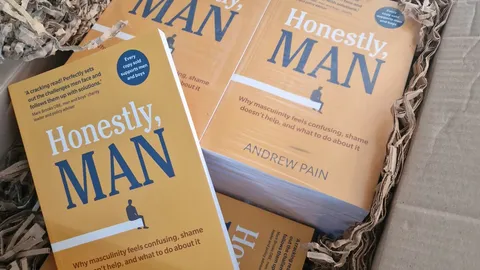
I cover the issue of parenting teens within the longest chapter of my new book, ‘Honestly, Man’. This longest chapter is on fatherhood, and how we equip ourselves to be the best dads we can be, but for this article at least, I want to focus on dads of teens.
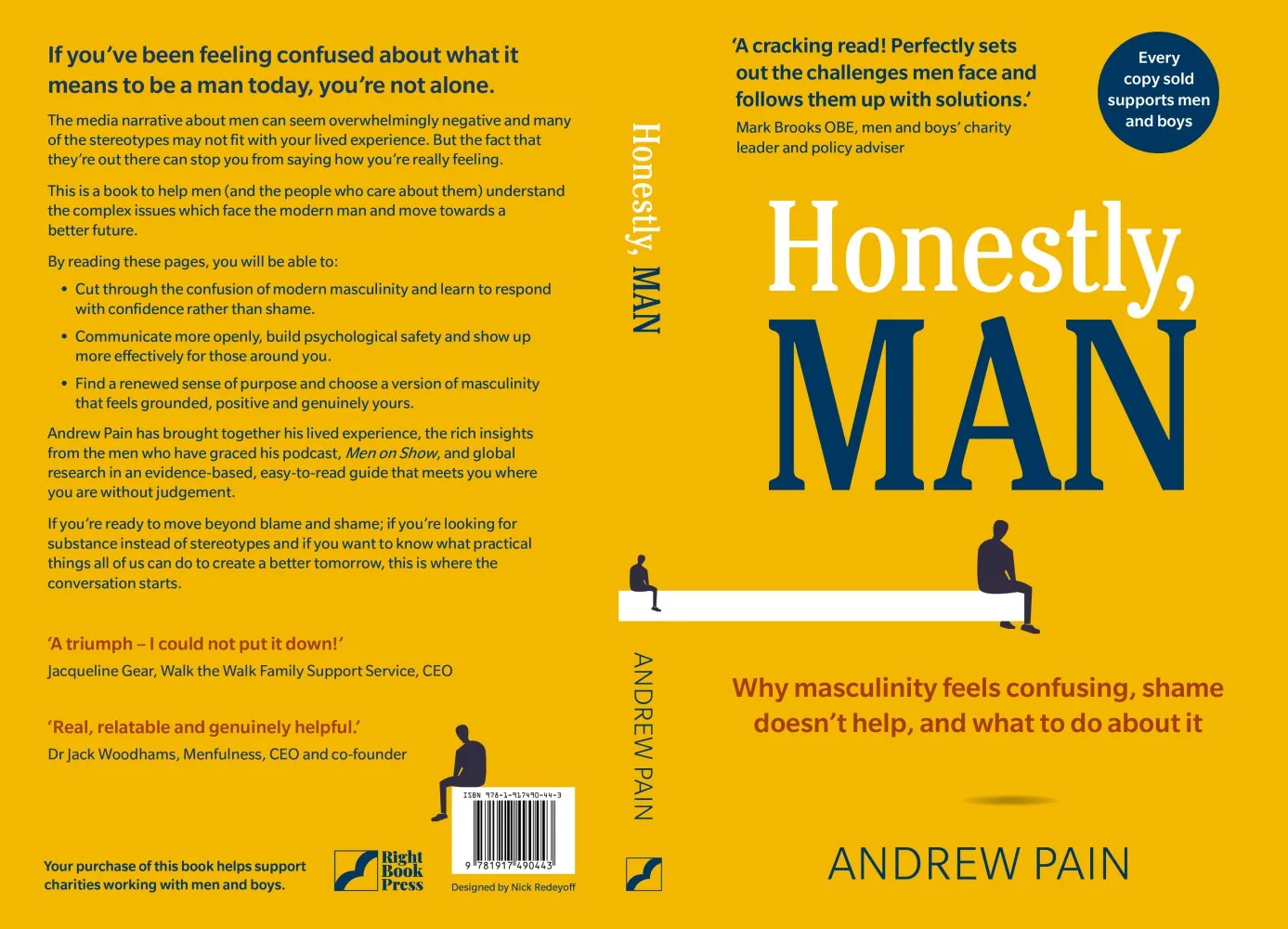 All profits raised from book sales will be invested in charities supporting men and boys - available NOW through most large book retailers
If we’re serious about championing fatherhood, then we need to understand which groups of dads might be at increased risk of poor mental health, and dads with teens is one of the groups I spotlight. These are a few of my personal reflections. I hope they’re helpful for you if you’re going through it.
- My teen is not a mini sculpture of me.
They may look like me and have some of my personality traits, but they will be their own person. So, if they become ‘attitudy’ teenage sloths who won’t get off their damn Xbox/phones and if they fly off the handle when I’ve asked them reasonably to do the dishwasher, it’s not a reflection of my bad parenting. I haven’t failed.
I can influence my teen and should try to do so positively. I will support them, coach them, love them, but ultimately, they will make lousy decisions and their ‘failures’ are not because of my failures.
- Teenage brain development is a pain to live with!
What happened to that adorable toddler who’d run into my arms and look lovingly into my eyes?
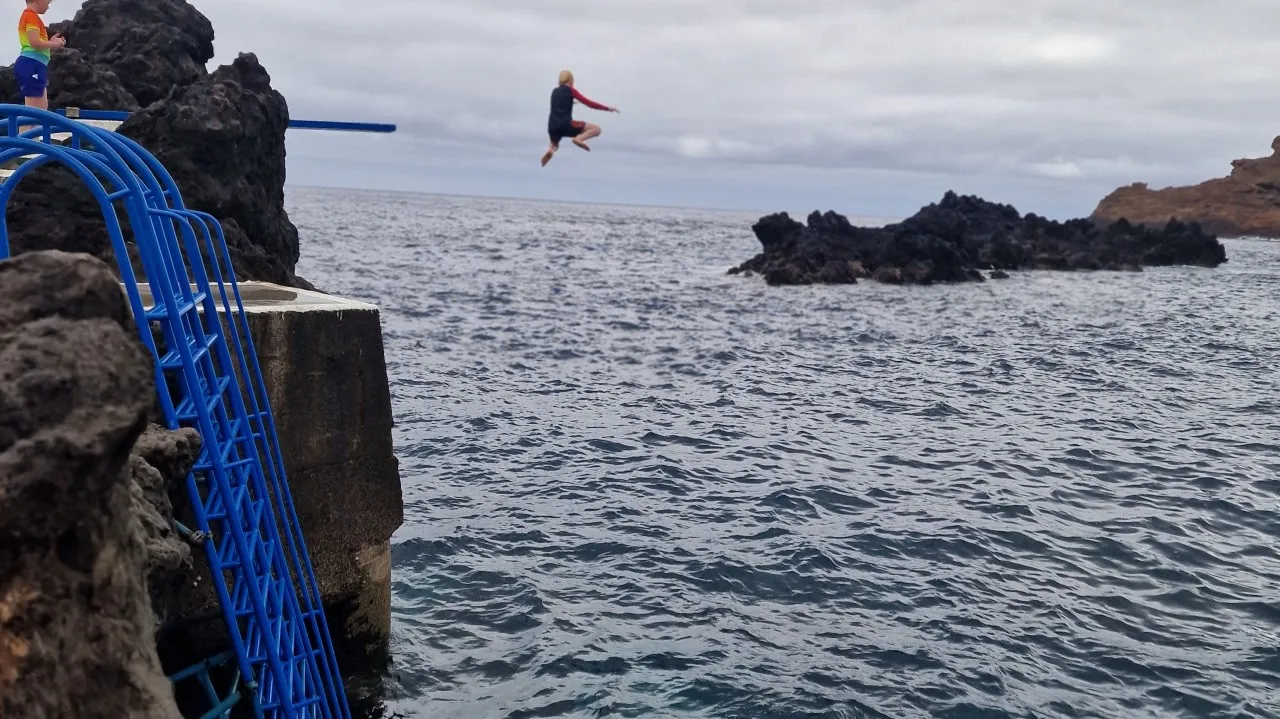
Teenagers experience extraordinary brain development as part of being a teen. I unpack it fully in my book, but in brief, this brain development makes them hyper-sensitive/volatile, increasingly bored and dissatisfied (so they will be attracted to risk taking of all types - hence the Madeira photo above) and at a time, when the part of their brain responsible for long term thinking/consequences is years away from being fully developed. I generally say Mother Nature knows best, but when it comes to teenage brain development, what was she thinking? It makes life seriously difficult and the tough times go on for years.
- It’s not personal.
Your teen’s behaviour towards you may feel personal, but it really isn’t. Your teen doesn’t actually hate you. They need boundaries, they need parents who are prepared to make tough (unpopular) decisions. They will of course rebel and make your life a misery as a result of it. But its not personal - it’s brain development and it’s utterly crap for everyone.
- Connection is possible.
Even when your teen has no obvious interest in connecting with you and they’re a total pain to live with, it’s vital that we continue to try to connect. The way in which we connect with our teens and the timing of when it’s best to connect will continuously evolve. Don’t lose track of the timing or best methods - keep working with them - and embrace them as they evolve. (My 13 year old seems to be connecting more with me now in the car on the way to football or diving, than just before bed - it’s been a gradual but noticeable shift)
- Your parenting will be criticised by your teen - ouch!
It’s so galling and painful to be on the receiving end of. The years you’ve given - the sacrifices made - the love you’ve poured into your child/teen - and they have the audacity to lecture you on where you’ve gone wrong!
If this is you - please read points 2 and 3 again. It’s brain development, its immaturity, and one day it will pass. If they remember what they said years down the line, they’ll feel embarrassed by their lecture. When you’re calm and can think clearly, rehearse how you might respond in a meaningful way to the ‘poor parenting’ lecture, because it will happen, and it’s best to avoid losing the plot on the one hand, whilst capitulating completely on the other.
I could go on, but then this would turn into a lengthy post and most people on Linkedin who read stuff, generally don’t have much time.
The lesson here, is this:
Spare a thought for teenage dads (and mums)
As employers, just because our employee’s kids are now at secondary school, it doesn’t mean their home lives will be easier to juggle. The teenage years can be among the most stressful, emotionally demanding and expensive years that a parent will experience, even more so than the new born years. We need to talk about it, be aware of the difficulties and look out for one another. It’s why I’ve included ‘teenage dads’ in my book as an at-risk group.
If you want to bring the topic of men’s wellbeing to life, either as part of an away day, or as part of a wellbeing week initiative, or as part of men’s health week (June) or International Men’s Day (November) then get in touch and let’s talk.
I’m a CPD accredited and TEDx speaker, podcaster and author, delivering entertaining, inspirational and relatable keynote talks, grounded in lived experience and global research.
Connect with me at: https://www.andrewpain.co.uk/
And/ Or let’s connect on Linkedin and DM me to book an exploratory conversation
 Now available through most book retailers in paperback and kindle (audio to follow later in 2026)
A version of this article was first shared with Andrew's newsletter subscribers on LinkedIn .
Get the next one straight to your inbox
Andrew writes regularly on men's mental health, burnout and resilience. No spam, unsubscribe any time.
Subscriptions open shortly – the mailing list isn't connected yet.
Booking a speaker instead? Let's talk .