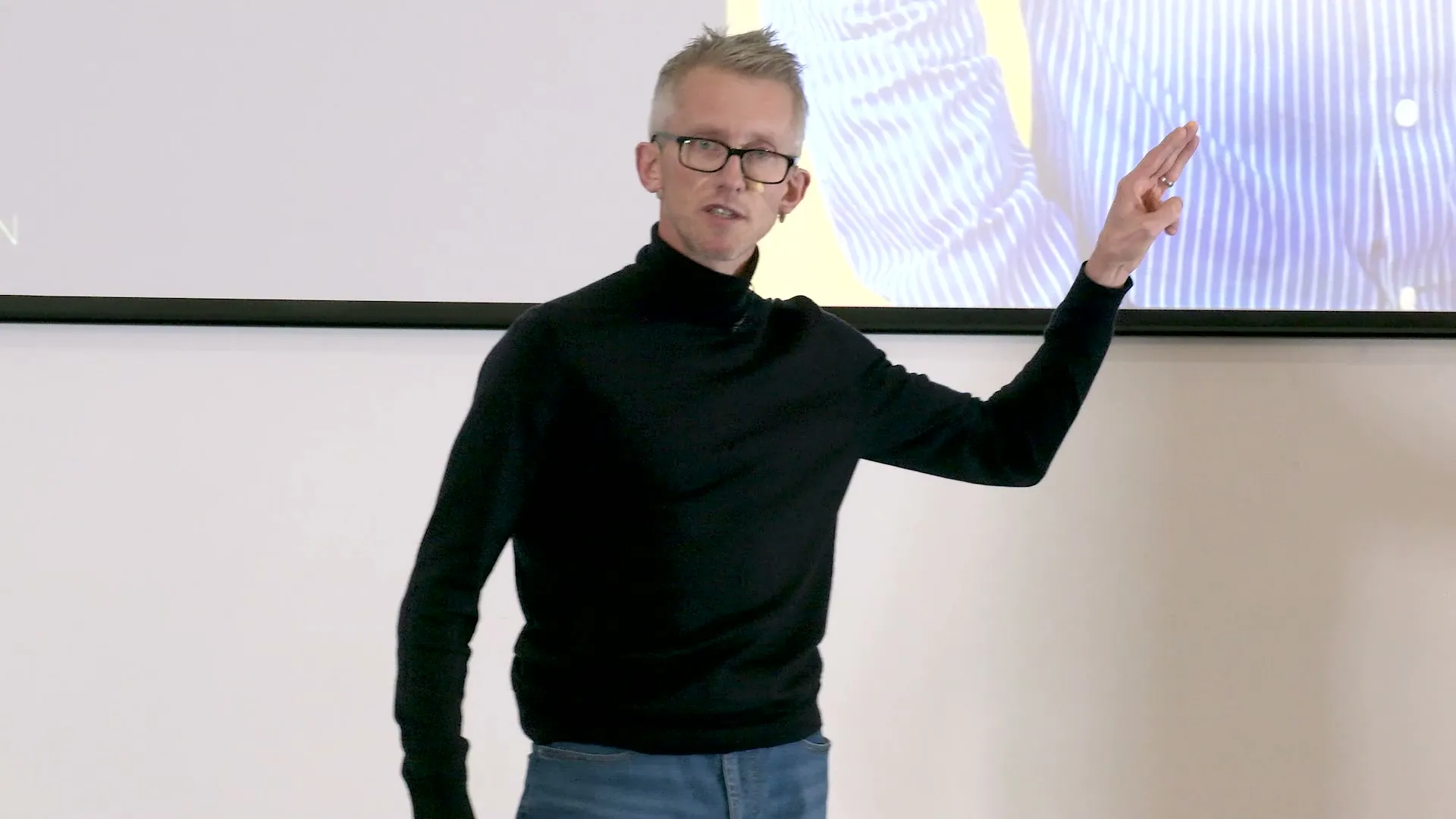
Signs We Miss
A Survivor's Guide to Building Abuse-Aware Workplaces
Drawing on lived experience as a domestic abuse survivor and TEDx speaker, Andrew explores how abuse unfolds, why victims stay silent, and how colleagues and organisations can respond with confidence.
As a lived-experience survivor of domestic abuse, TEDx speaker and CPD accredited trainer, I will draw on my story, as well as wider research, to develop your understanding of how domestic abuse unfolds, the challenges in reaching out for help and how to best support the people you care about.
The Facts
- Domestic abuse (which includes physical and sexual violence, emotional abuse, coercive and controlling behaviour and economic abuse) will affect 1 in 4 women and 1 in 6–7 men, during their lifetime.
- There are over 2 million reported cases of domestic abuse each year in the UK alone, with men, women and people from all age groups, ethnicities and cultures, included both as perpetrators and victims.
- Domestic abuse is a key driver in fuelling the suicide numbers for men and women.
- The annual social and economic costs of domestic abuse have been estimated to reach as much as £66 billion a year in the UK alone.
The agenda, point by point
Everything your audience will move through – so you can judge the fit before you book.
- 1
How people from all walks of life get embroiled in abusive relationships.
- 2
What life is like, day-to-day, for people caught in abusive relationships, from the impact on employment performance, to wider family relationships, their self confidence and decision making.
- 3
Why people stay in abusive relationships and become their abuser's greatest defender and excuse maker.
- 4
Why victims are often reluctant to admit that they're the victim of domestic abuse and how to reach out to someone you might be worried about.
- 5
The reality of gaslighting: what it is and how it manifests itself in abusive relationships.
- 6
Life after abuse: from personal safety to parental alienation and the family courts. Why the rebuilding process is time consuming and complex.
- 7
The red flags of abusive relationships: what you should look out for when forming new relationships and how to take action early if necessary.
Concrete outcomes, not vague good feelings
HR teams, managers, safeguarding leads, employee wellbeing leads and anyone who wants to build a more abuse-aware and supportive workplace culture.
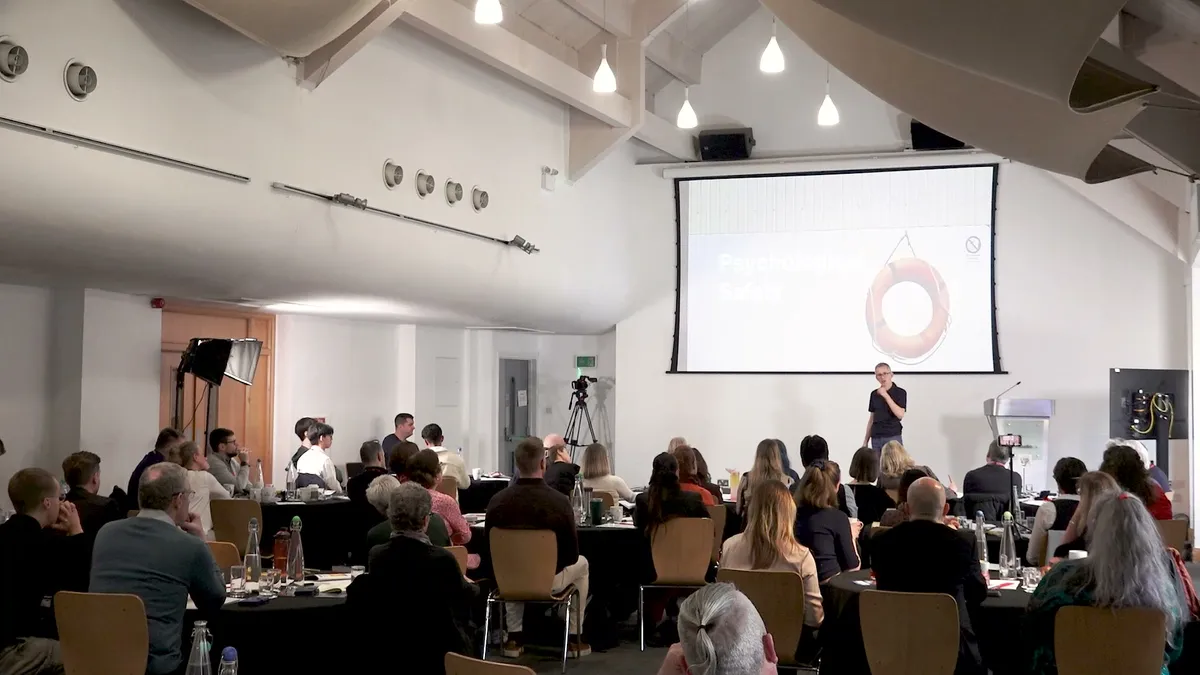
If you need support now
This talk draws on lived experience and is educational – it is not medical or therapeutic advice. If you or someone you know needs support now:
- National Domestic Abuse Helpline 0808 2000 247
- Samaritans 116 123

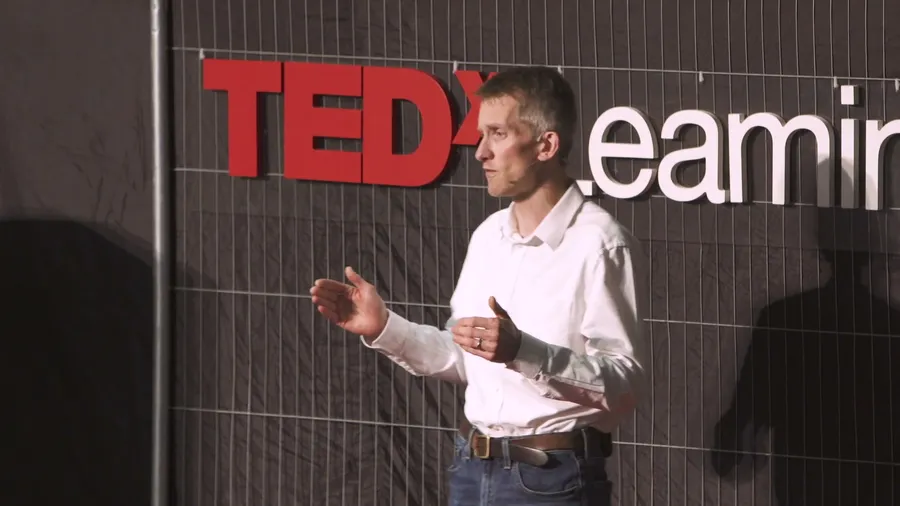
Mental Health & Resilience Keynote Speaker
Andrew speaks from lived experience – warm, honest and human, with the experience to back it up.
- TEDx speaker
- Host of the Men on Show podcast (60 episodes)
- Author of the book Honestly, Man
- Member, International Coaching Federation
“I can't recommend Andrew highly enough. What stood out most was Andrew's ability to handle such sensitive and complex issues with both clarity and compassion. His delivery was engaging and grounded in lived experience, which made the content resonate powerfully with the team.”
Elizabeth Wanjiru
Director, Parent-Help
Ready to talk it through?
Tell us about your event and audience – we'll come back with availability and how Signs We Miss could land for your people.
See all talks